

Industry Leader Trashes Regenerative Organic Viticulture
Jason Haas (Tablas Creek) responds to Jamie Goode's comments. Should regenerative and organic be joined at the hip?
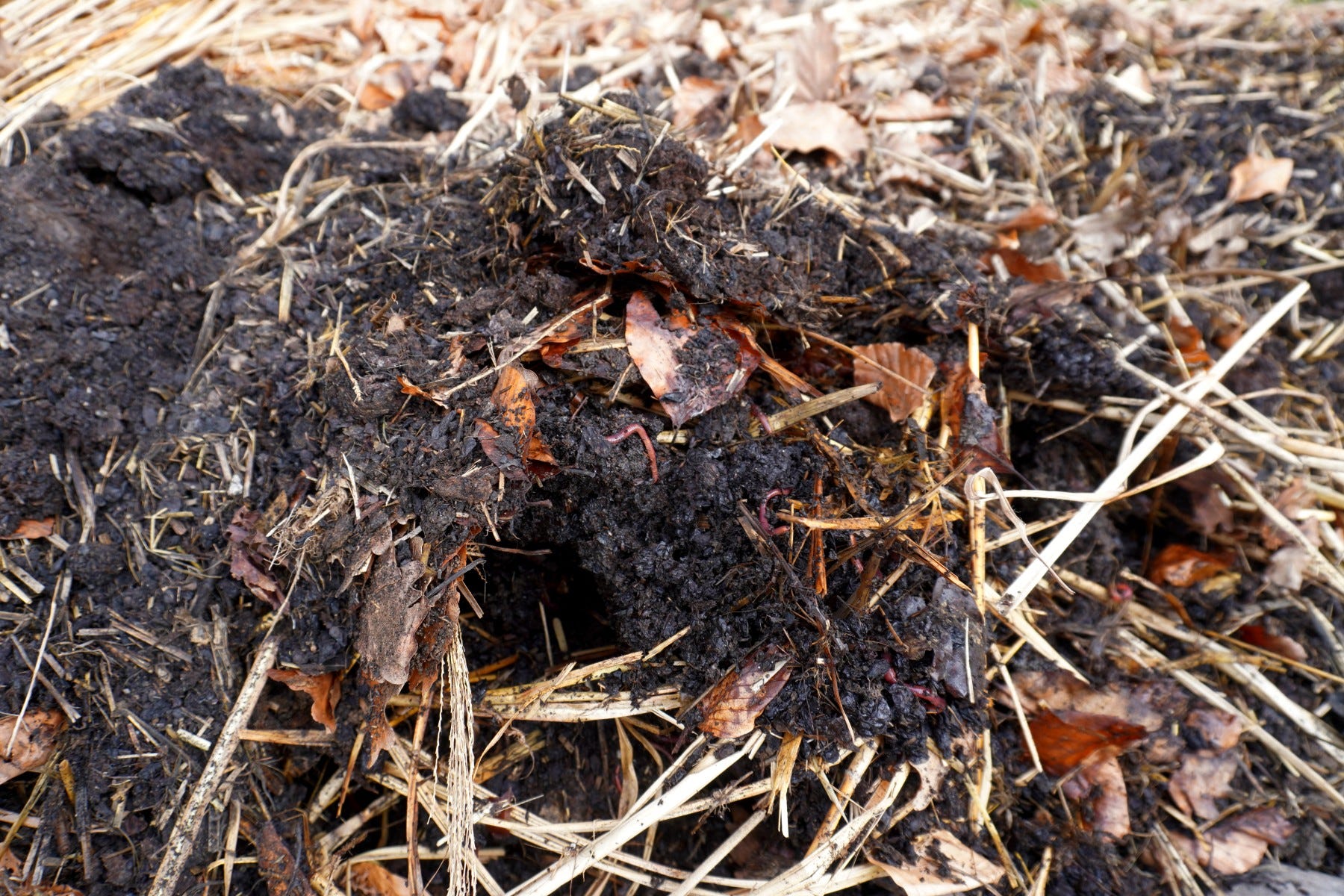
If you want to play viticultural bingo, ‘regenerative’ is top of the list right now, up there with other dinner-party conversation starters such as soft pruning, dry farming and soil compression.
The R-word is everywhere, but it’s poorly understood. Deploy the phrase ‘regenerative organic’ and it gets downright divisive. Dr. Jamie Goode laid into the concept with venom last week. What’s his problem with regenerative organic, and how have its proponents reacted?
Here’s some background, taken from my previous deep dive:
The phrase ‘regenerative agriculture’ was popularised by Robert Rodale of the Rodale Institute in the 1980s.
It refers to the practice of restoring soil health and vigour but also tackles the long-term sustainability of ecosystems, communities and social welfare.
The Rodale Institute created the world’s first regenerative agriculture certification programme in 2020, and founded the Regenerative Organic Alliance (ROC) to regulate and promote the scheme.
The ROC and the RI maintain that regenerative agriculture is ethically and practically impossible in the context of conventional synthetics and fossil-fuel driven agriculture
A proliferation of newer certification schemes are more permissive.
The term regenerative is not legally protected or defined, allowing major agribusinesses such as Bayer and Cargill to dream up their own regenerative programmes which promote the use of - surprise, surprise - their own synthetic products.
Goode puts the boot in
Keep reading with a 7-day free trial
Subscribe to The Morning Claret to keep reading this post and get 7 days of free access to the full post archives.