

Acid Freak
The intervention no winemaker wants to talk about
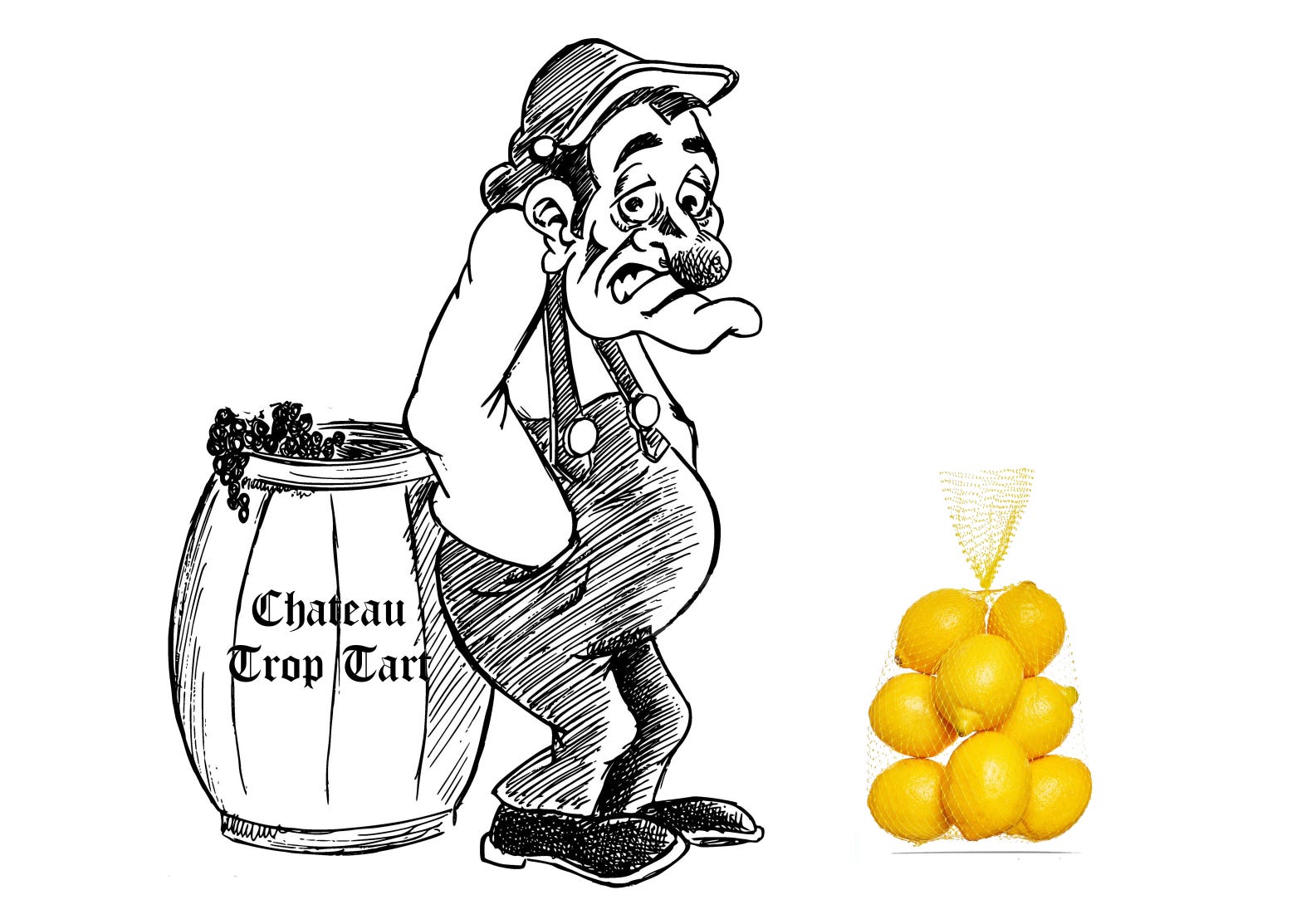
Your visit to Château Trop Tart starts well. The wines taste fresher than you remembered. Monsieur Crock-de-Merde babbles on about pruning methods, organic manure and Stockinger barrels. But suddenly he clams up. What happened?
You just asked if he acidifies his wine.
It’s a question few winemakers want to hear. Acidification - the addition of some type of acid to the juice - is common in warmer regions. But as Sonoma-based winemaker David Mastro Scheidt remarks, it doesn’t sit well with the trope that “wine is made in the vineyard”.
Having a bad trip
Acidification is one of several tweaks a winemaker might decide to make, when the raw materials are less than optimal. Ideally, grapes would be harvested with the perfect balance of ripeness and freshness. But with increasingly unpredictable weather patterns and ever-warming climates, retaining enough natural acidity can be a serious challenge.
Acidity is vital, not just to have a refreshing and balanced wine but also because it protects the juice. Lower acidity (and thus higher pH) increases the risk of bacterial infection and oxidation during vinification and ageing.
Scheidt openly states that he will acidify if it’s necessary to save a vintage. He recalls a year with rocketing temperatures and a delayed harvest due to lack of workers, when the result would have been a flabby Zinfandel with 16.8% alcohol - had he not added water and tartaric acid.
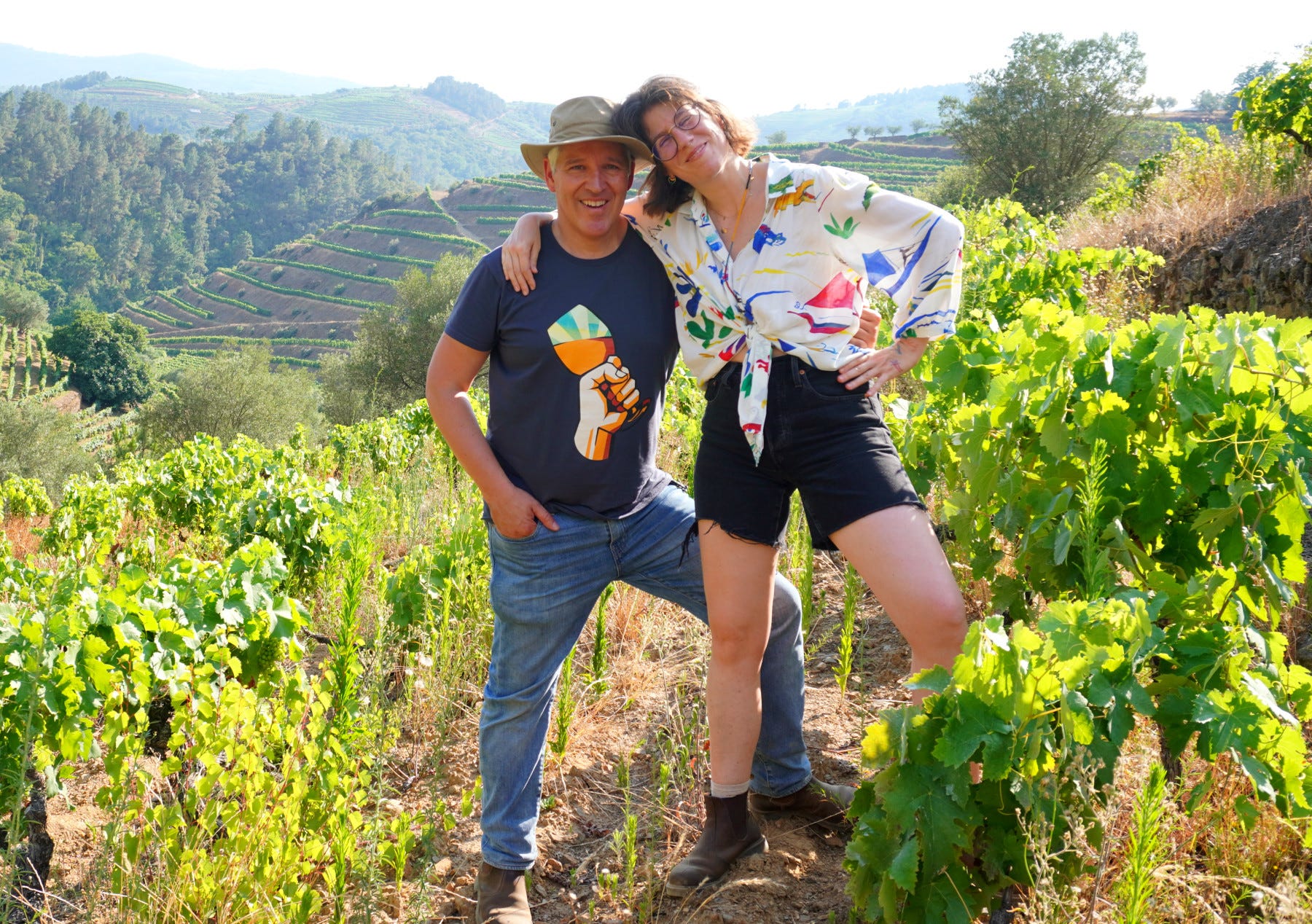
You’ll seldom hear such a public admission from a European winemaker, but Douro-based Miguel Morais (Quinta da Costa do Pinhão) is an exception.
Keep reading with a 7-day free trial
Subscribe to The Morning Claret to keep reading this post and get 7 days of free access to the full post archives.