

Peter Stafford-Bow - Black Odesa Reviewed
Is this wine-themed comic novel a worthy addition to the Felix Hart series?
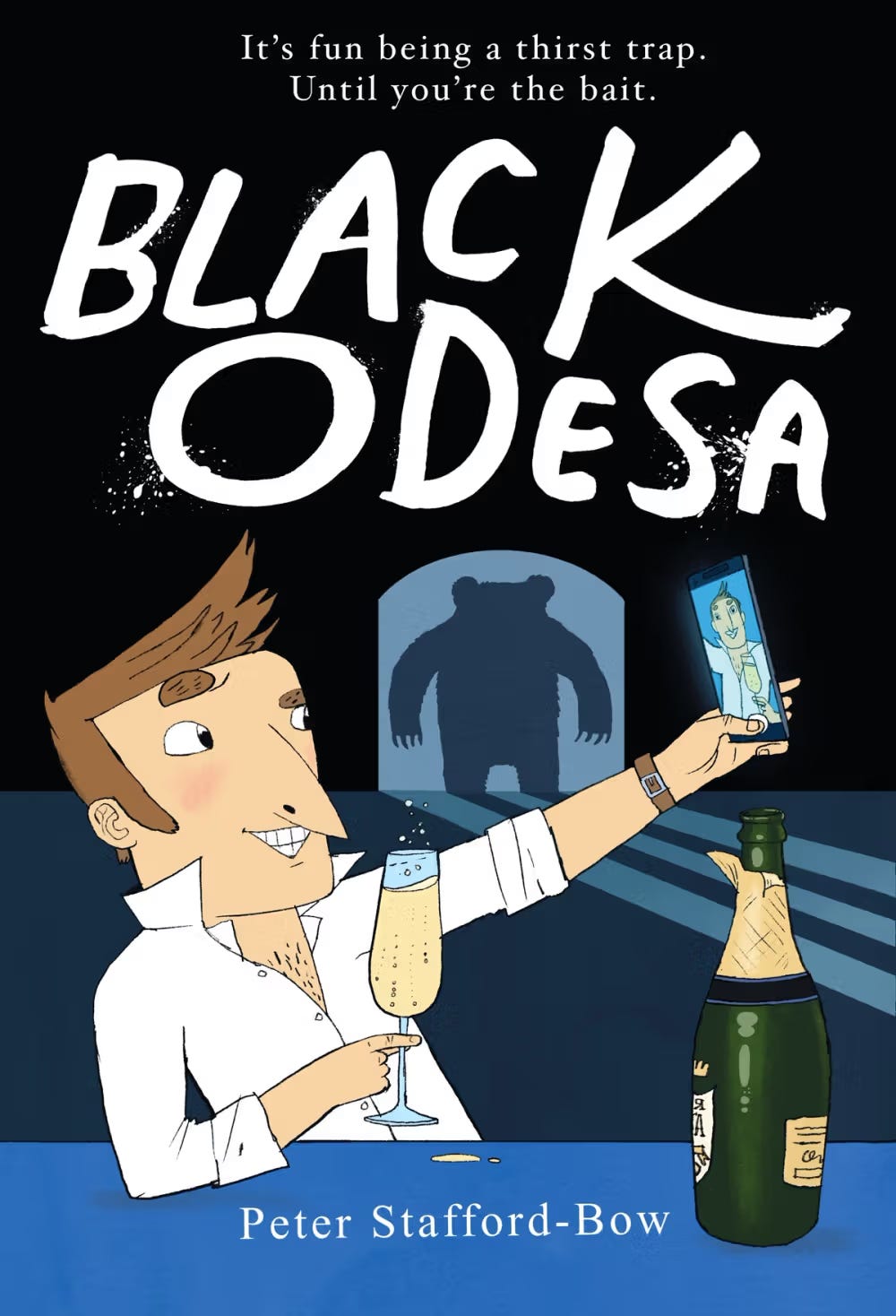
There was already a smile on my face when Peter Stafford-Bow’s new book hit the doormat. No-one else satirises the wine world so wickedly. My facial muscles were gearing up for a workout.
The pseudonymous author has just published the fifth novel in the Felix Hart series, following 2023’s high-octane Eastern Promise. The handsome and “morally flexible” minstrel of wine is back in the saddle.
Black Odesa picks up where Eastern Promise left off, with Hart pursued by the authorities for his ill-gotten gains. We’re plunged straight into the classic Felix Hart plot: a series of mishaps and adversaries so acute that they will surely cause his demise. But of course our hero will triumph… won’t he?
“I was left feeling genuine sentiment and mild unease.
I considered demanding a refund.”
With the first cliff-hanger already dust by the end of chapter one, Stafford-Bow introduces the book’s central theme. This time, he has influencer culture in his sights. Hart is strong-armed into posting some lewd, loosely wine-themed content on his socials. As his follower count rockets, he meets a fellow ‘vinfluencer’ - the mysterious and beautiful Katja.
From here, the plot rampages through the kind of surreal mayhem familiar to Stafford-Bow readers. Hart’s brief employment by luxury department store Sauvage & Sons is particularly Kafkaesque, featuring a restaurant where the guests only photograph rather than eat their food, and a villainous owner who spiral-slides him into the boardroom.
Warning: Spoilers ahead
The book heads towards its climax, as Felix and Katja join a dodgy Russian-funded press trip in Crimea, first driving through Georgia and Russia with a cast of hateful influencers and a surly Eastern European guide.
The many wine references are on-point. The pair sample Georgian qvevri wines along the way, then the press trip takes them deep into the bowels of the Massandra winery - a real-world jewel in the crown of Crimea’s once revered wine industry.
Stafford-Bow’s style is as punchy as ever, and there’s a full house for Felix Hart bingo fans: yes, Madame Joubert’s lekker medisyne trommel is back! But not everything is what it seems.
Interviewed by The Buyer magazine, Stafford-Bow said “Most characters after five novels would have looked deep inside themselves and asked: what have I learnt? How have I adapted to the changing times? … I’m delighted to say that Felix Hart remains untroubled by such questions.”
Sorry, I don’t buy it Peter. In previous instalments, Hart’s main objective - beyond staying one step ahead of his pursuers - was getting his end away. But in Black Odesa I had the distinct impression that he falls unhappily in love. The concluding chapters have a melancholic undercurrent that seems at odds with the comedic thrust.
It made me wonder if Stafford-Bow wants to challenge himself or his readers a bit more. Did he deliberately derail the plot? Despite a brief attempt to tie up the loose ends, the conclusion feels deeply unsatisfying: Hart fails in his quest. I was left feeling genuine sentiment and mild unease. I considered demanding a refund, before I remembered that Stafford-Bow sent me a gratis review copy.
Joking apart, Black Odesa is still first and foremost a page-turner. Whilst it ticks that box - I romped through it in just a few days - Eastern Promise felt faster-paced and better structured.
Stafford-Bow teasingly mentioned that he’s “in talks with a variety of streaming giants, a West End theatre producer and a video game developer.” Here’s hoping it works out. The wine world needs more irreverence.
Black Odesa was published by Vinfare on 1st June 2026. It’s available from all the usual outlets.
Buy from Waterstones (UK)