

The Truth About Vegan Wine
Get ready for a shock if you thought you were drinking ethically
Veganism is a lot like natural wine. There’s no universal definition, and its adherents span the gamut from reasonable people to ultra-radical zealots. Combine the two for a recipe that confuses the hell out of people. Whaddya mean, wine isn’t plant-based?
My alarm bells started ringing after some wine importer friends described a recent experience at a fancy vegan restaurant. They arrived with a case of wines the restaurant had ordered, from Austrian grower Nibiru. The somm asked why the wax capsules looked a little different than normal. “They’re made from bee’s wax” came the reply.
The somm looked concerned. At the end of the night, she returned the entire case along with their coats and explained that she couldn’t sell the wine to their customers. Bee’s wax is an animal by-product, and its use is unacceptable for vegans.
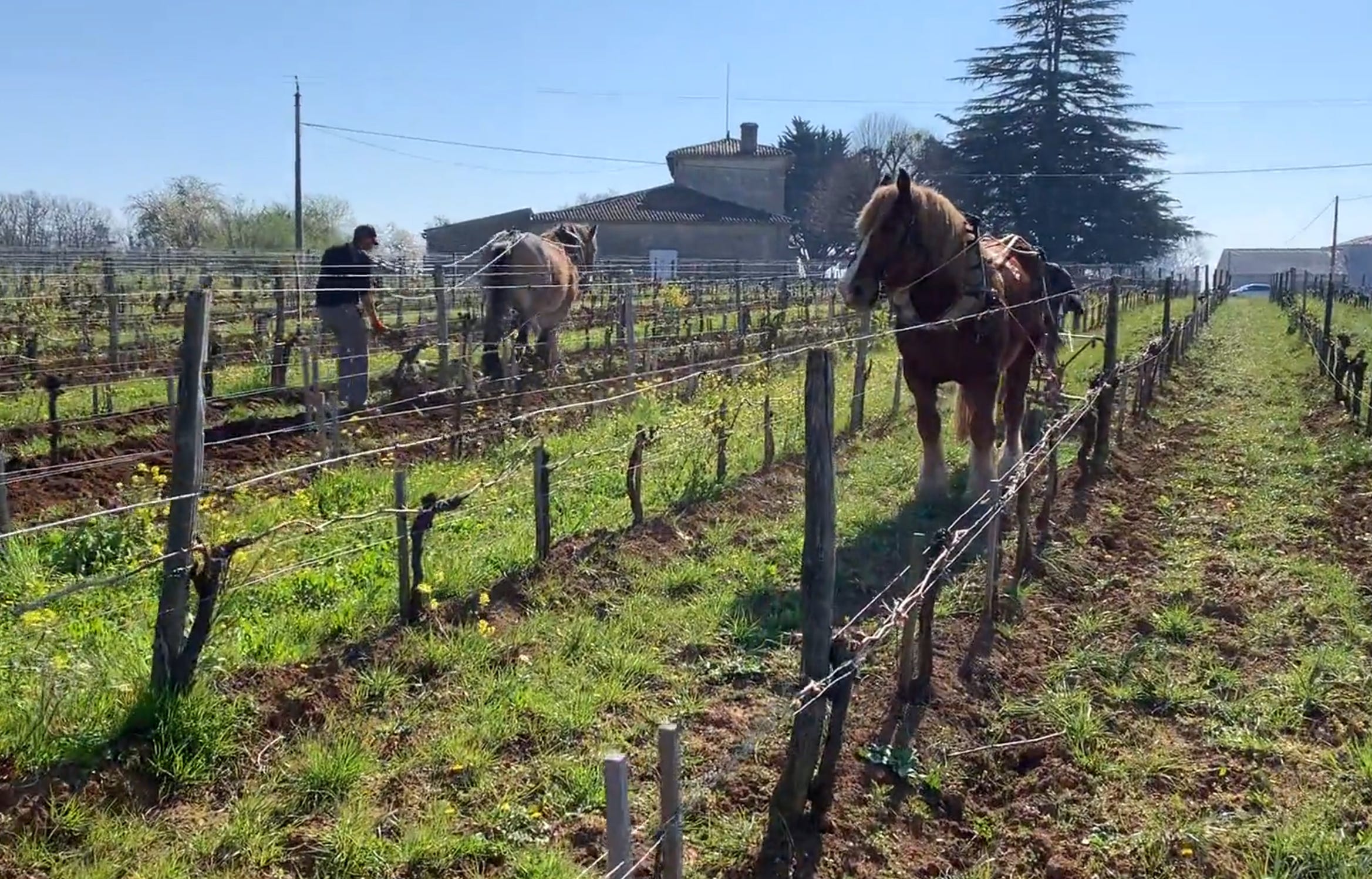
There’s more. Strict vegans also have issues with the use of animals in the farming system, as this might represent “exploitation of, or cruelty to animals”. So what about all those super-ethical biodynamic estates stuffing cow manure into cow’s horns and using horses to help plough their vineyards? Is their wine off-limits too?
Would a committed vegan be able to drink any of the good stuff? I contacted The Vegan Society to find out more. Based in the UK, they are the world’s largest certifying body for vegan products. Their trademark graces around 73,000 items, including foodstuffs, beverages, cosmetics, clothing and even a car interior.
Here is the society’s definition of veganism - I’ve bolded what I see as the key parts:
Veganism is a philosophy and way of living which seeks to exclude—as far as is possible and practicable—all forms of exploitation of, and cruelty to, animals for food, clothing or any other purpose; and by extension, promotes the development and use of animal-free alternatives for the benefit of animals, humans and the environment. In dietary terms it denotes the practice of dispensing with all products derived wholly or partly from animals.
I spoke with Karen Spinner, the society’s sales and marketing manager. We skipped through the obvious parts: wines clarified with animal-derived products such as isinglass (a gelatin made from fish bladders), casein (milk-derived) or even egg whites (the traditional method in Bordeaux) are clearly out.
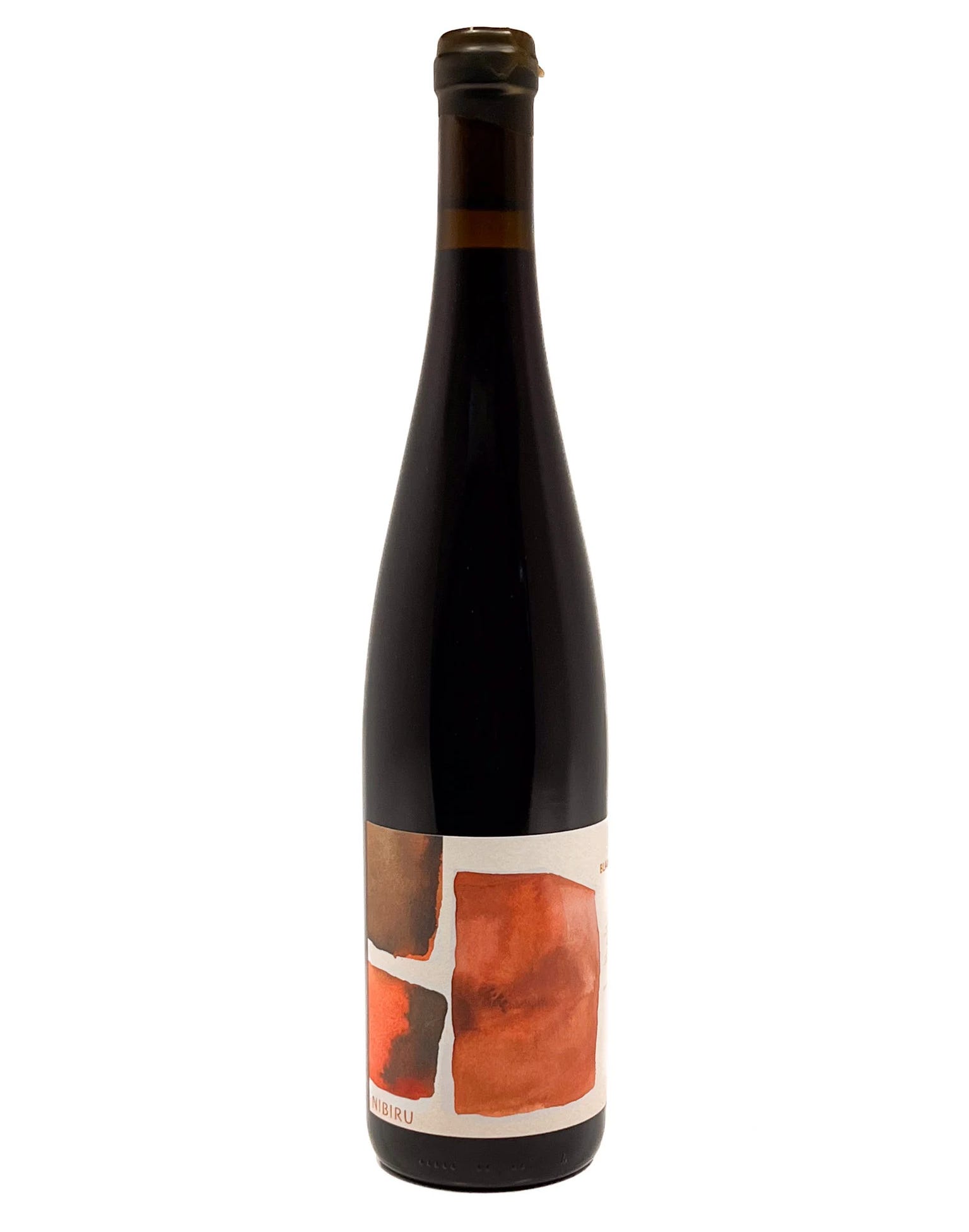
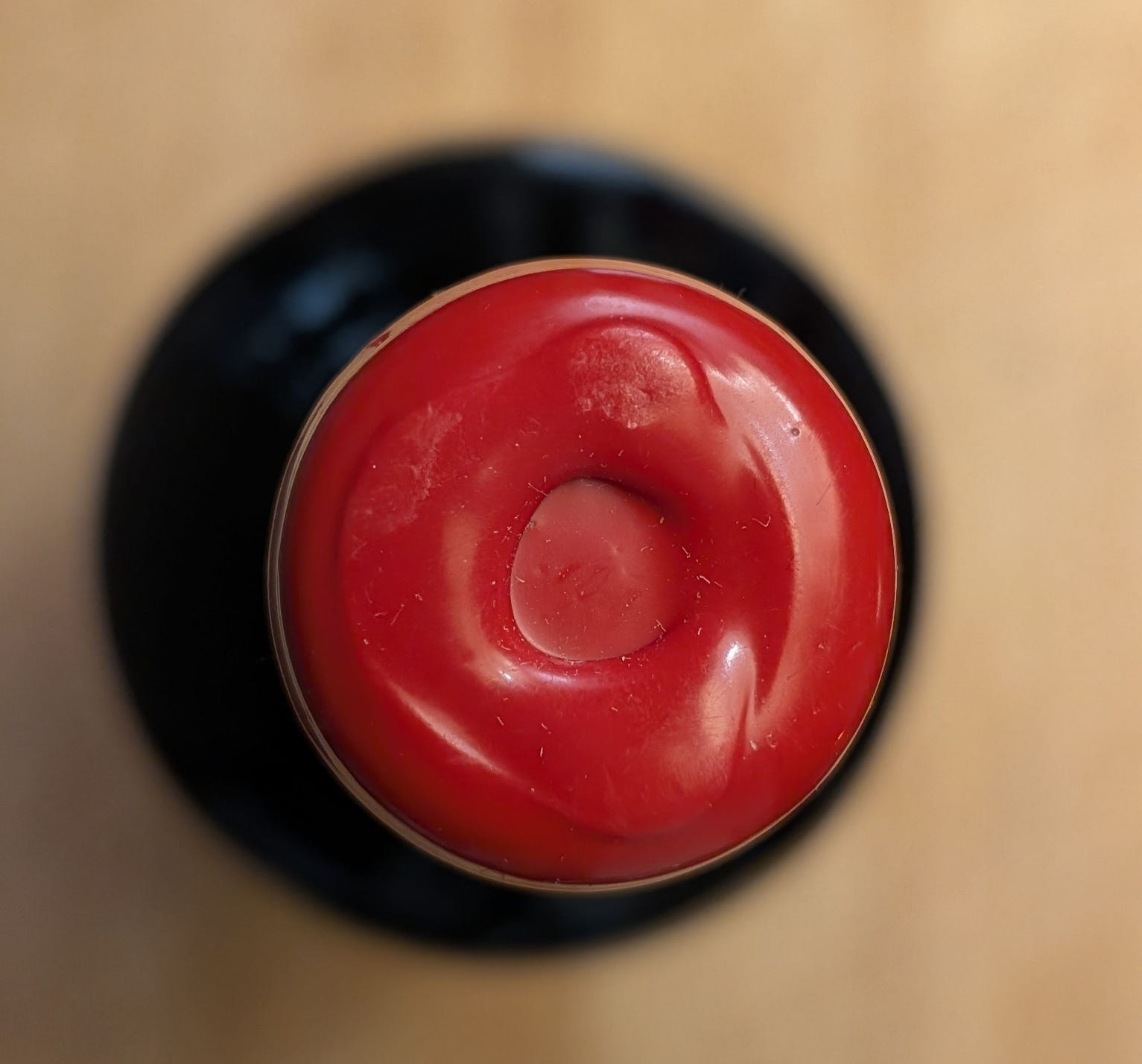
What about those beeswax-capped bottles? She concurred that “this would not be acceptable for our standards.” Bad news for vegans then: Heinrich’s elegant ‘Freyheit’ series is out, along with wines from many other environment-conscious growers who spurn plastic (oil)-based wax. Karen agreed this is a conundrum but reminded me that “what we stand for is not a sustainability claim, it’s a clear and simple guarantee that the product is free from animal ingredients.”
My next question was about the use of animals in the vineyard. Karen gave the example of truffles. “If they’re harvested by hand, they are vegan. But if they were harvested by pigs or dogs then they don’t meet our standards, because we deem this to be unnecessary” she told me. I pointed out that, to the best of my knowledge, most animal usage in vineyards relates to ploughing, management of grass cover or vineyard pests. For example, some growers keep flocks of sheep or ducks for seasonal usage amongst their vines.
Karen didn’t have a clear answer. “We don’t accept products where animals have been used to harvest or transport products” she explained, “but hypothetically, if ducks happen to wander through a vineyard then we wouldn’t see a problem.”
When we got onto the subject of biodynamics, Karen had no such doubts. It was a resounding no. “Biodynamic farming doesn’t meet our standards because of the unnecessary use of animal body parts like cows horns” she said.
So would the use of animal manure for viticulture or agriculture bar a product from the vegan society’s certification? Karen said no. She referred me to the key phrase “possible and practicable” in the society’s definition. “If we ruled out the use of animal manure, we wouldn’t be able to certify many products at all” she admitted. So the society takes a pragmatic - some might say inconsistent - view on this point. But might there be super-strict vegans in this world for whom even the use of manure is verboten? Karen agreed that there might, adding that “they would have to come up with their own code of what they consider to be acceptable or not”.
No biodynamic wine for vegans?
If you’re vegan and you insist on Vegan Society certified products, here is the payload: All Demeter or Biodyvin-certified wineries are automatically disqualified. That’s because these schemes require the use of the two key biodynamic preparations 500 and 501. Both are over-wintered in cow’s horns. Preparation 500 is, additionally, based on cow manure.
You don’t have to accept The Vegan Society’s definition. Parés Balta is a medium-sized winery in Penedès, northern Spain that holds Demeter certification. They also warrant on their website that all their wines are suitable for vegans. I asked if this is based on any particular certification. The estate’s Marta Ràfols told me it’s not. She sent me this further clarification:
The term ‘vegan’ is not legally defined in wine, and different organisations apply different criteria. In our case, when we say our wines are vegan, we mean that we do not use any animal-derived products in the winery or during winemaking.
Parés Balta are absolutely within their rights to make this claim, as Karen Spinner agreed. Their narrower definition of vegan wine is popular. US online retailer Primal Wines is a specialist in natural wines, and their website includes a specific page listing all product lines suitable for vegans - together with an explanation of what that means. They only tackle the issue of fining agents, saying “Most natural wines are also vegan-friendly since they are unfined and unfiltered.”
Their list includes wines from prominent biodynamic estates such as Gut Oggau and Meinklang - both Demeter certified. Primal Wine’s list doesn’t appear to be based on any specific certification programme. It certainly wouldn’t meet the criteria for The Vegan Society.
My take
I am personally uncomfortable with veganism as a concept, due to its conflicts with sustainable, environment-conscious and heritage traditions in farming and winemaking. The bee’s wax capsule is just one small example.
As a lifelong supporter of organic and biodynamic farming and of the humane use of animals in the farming ecosystem, it frustrates me that vegan certification slams the door in the face of some of these estates.
That said, The Vegan Society is nothing if not transparent and thorough. If you consider yourself to be a strict or ethical vegan (as Karen terms it), their certification scheme will be very helpful. The lack of overall regulation means it’s a confusing picture out there. Self-certification is rife - anyone can slap a ‘vegan friendly’ logo or tagline on their product. And we didn’t even mention the more nebulous term ‘plant-based’.
Me personally? I’ll continue to enjoy my flexitarian diet with a bottle of low-intervention wine - whatever type of wax it happens to have on top.
Whilst researching this article, I also looked at one of the US’s biggest vegan certification bodies, BeVeg. There isn’t enough detail on their website for me to figure out if they take the same line as The Vegan Society. I contacted them for comment but they did not reply.
Great discussion, Simon, and I love how the comments reflect the many other issues that we might look at in addition to animal cruelty, like worker treatment, the distinction between industrial meat production and the responsible inclusion of biodiversity including animals in a holistic farming system. I used to put that "V" for vegan on the wines that I produced, but stopped after working in vineyards. As someone who has a soft spot for animals that often get referred to as "pests" - like voles, ground squirrels, gophers, rats, mice, and the entire realm of rodents really - I can say it is the extremely rare exception in wine or any other kind of farming that is able to produce a crop without disrupting the habitats, and often killing, many animals of some kind. If we're honest, I think the choice isn't between veganism and omnivorous diets, its between direct and indirect slaughter of many forms of life in order to produce our food and wine. I say this as someone who supports plant-focused diets both for health and ecological reasons. But I think it's important that we understand that we don't get away from the moral implications of killing animals even by being strict vegans.
Another point I'd bring up: when you come to appreciate plants as sentient beings, veganism begins to seem to make arbitrary distinctions between what really is just the continuum of life in various forms. I love and value my green relatives as much as my animal and bird relatives, and I don't see a moral difference in mistreating or eating one over the other. With this perspective, I think it's about our attitude and gratitude and the respect and love with which we approach the reality that life feeds on life, that we are all constantly transforming the energy of life into different forms. A great book about this is Nourishment by Fred Provenza.
Really enjoyed this article, appreciate your take and efforts to give a balanced take here. I'm a vegan, though I write a wine blog and do not let it get in the way of the choices of wine I drink, and I also make exceptions situationally, like when traveling, so by no means am I the strictest form, but that said I'll give you my take here. Most vegans I know are not eliminating animal products from their diets and other life choices (like wearing leather or buying wool sweaters) because they want to be extremist or preach some radical views. They do it because they want to do the most they can to prevent animal cruelty or exploitation, and in many cases they do it because of its impact on the environment. Those who do aim to drink vegan wine do it in the spirit of those ideas, so as Chris mentioned below about insects in the press, it would be akin to stopping walking because you might step on an ant -- it tends not to factor into the equation for most people. I found it interesting that your biggest gripe with veganism as a concept is related to sustainability when animal agriculture is one of the most environmentally destructive industries and is largely responsible for the decline in biodiversity we're seeing on a large and rapid scale today. Yes, bees are pollinators (I personally don't have an issue with honey or beeswax), but so are most flying insects, and most pollination isn't on account of honey bees. Pollinators en masse are dying off as a direct result of habitat destruction for animal agriculture. Deforestation to clear space for feed crops like soy is driven almost entirely by livestock production (for example, almost all of the crops grown in places like the Amazon where forest is cleared to plant it is fed to livestock, not people), and the majority of water diverted from major fresh water sources in the US (e.g., the Colorado river, which is rapidly running dry) is also used for animal agriculture, not human food crops. So it is very difficult to argue that veganism isn't inherently more sustainable as a whole. It's not black and white, but on the issue of sustainability there is a very clear winner.